Why choosing the right agency for web design can transform your digital presence
Just How Innovative Web Design Can Change Your Brand Name Identification
Cutting-edge web design plays an important role in forming a brand name's identification. It acts as the electronic store, influencing very first impressions and user engagement. Thoughtful style choices can create memorable experiences and foster loyalty. Nevertheless, the impact goes past appearances. Understanding the underlying concepts of effective web design can reveal its true capacity. What approaches may be used to ensure that a brand not only stands out however additionally reverberates with its target market?
The Value of First Impressions in Web Design
Just how essential is a very first impact in the domain name of web design? It serves as the preliminary portal to user engagement, figuring out whether visitors will certainly check out further or desert the site. A website's aesthetic and capability can substantially affect perceptions of a brand's reliability and expertise. In an age where digital communications are immediate, individuals form opinions within seconds, making aesthetic appeal and user-friendly navigating crucial.
An efficient impression can promote trust and encourage exploration, while a poorly designed interface may stimulate irritation and skepticism. Elements such as color design, typography, and layout all add to this preliminary assumption. In addition, uniformity in layout throughout all pages enhances brand identity. Therefore, the relevance of initial impressions in web design can not be overstated; they not only determine user retention however additionally impact general user experience and satisfaction, ultimately shaping a brand's credibility in an affordable on the internet landscape.
Crucial Element of Reliable Web Design
A website's performance depends upon several crucial elements that operate in consistency to produce a favorable user experience. First, user-friendly navigation is essential, enabling individuals to locate details effortlessly. Clear and succinct material improves understanding and involvement, while critical use of whitespace prevents overwhelming the visitor.
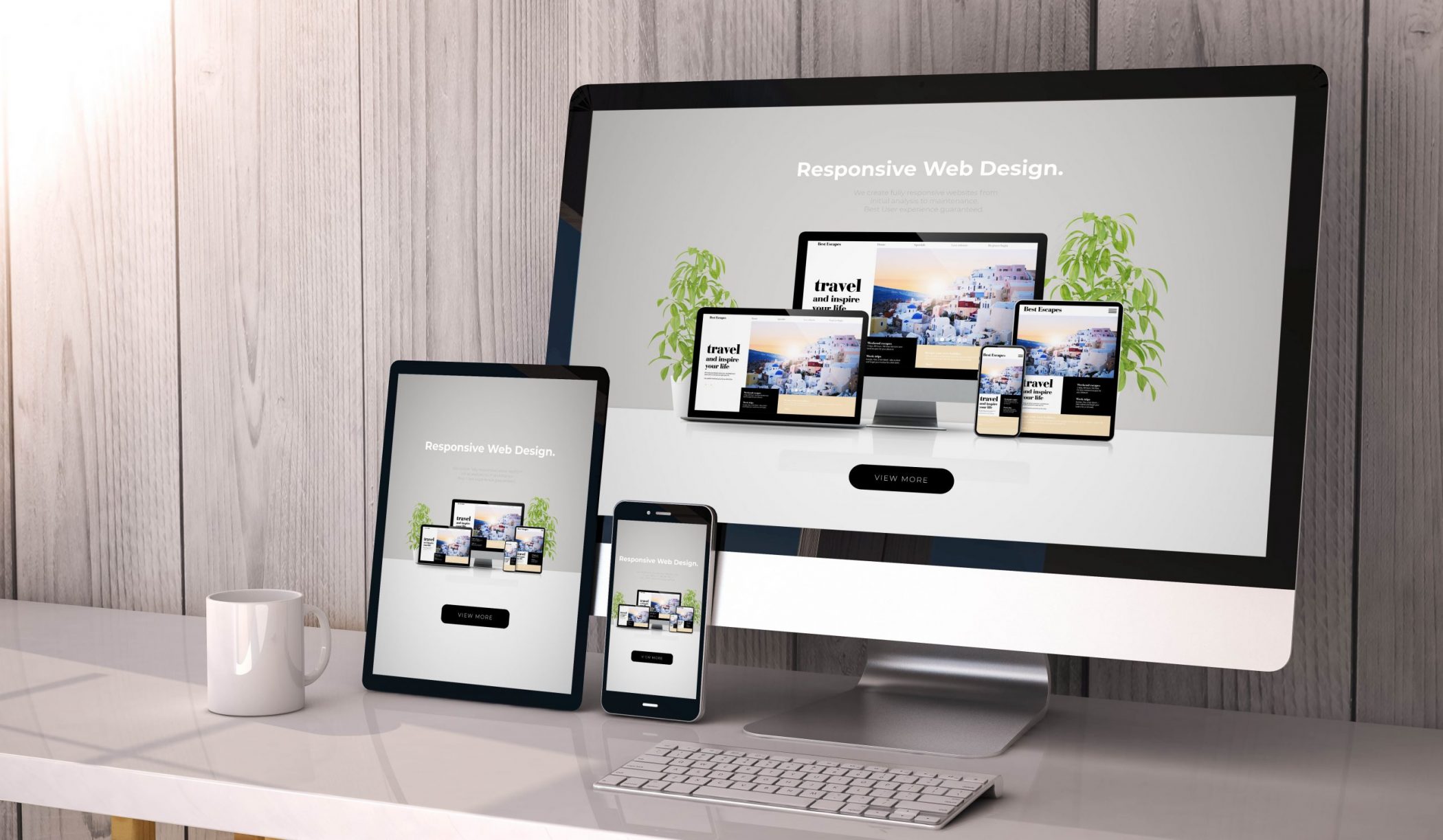
Receptive design is one more essential element, ensuring that the web site operates well on different tools and screen sizes. Quick loading times are essential; slow websites can bring about high bounce prices.
Aesthetic components, consisting of high-grade images and an enticing format, add to a visually pleasing experience that resonates with individuals. Accessibility should not be neglected, as it ensures that all customers, no matter of capability, can communicate with the site.
How Color Psychology Influences Brand Perception
Color psychology plays a critical role in forming brand name perception, affecting consumer emotions and behaviors in extensive means. Various colors evoke particular feelings; for example, blue frequently conveys count on and professionalism and trust, while red can generate enjoyment or necessity. Brands tactically leverage these associations to boost their identity and attach with their target market.
A technology company might make use of a sleek blue combination to project reliability, while a food brand name may choose for dynamic reds and yellows to boost cravings and energy. The uniformity of color across numerous systems enhances brand acknowledgment and promotes commitment
Enhancing User Experience Through Ingenious Functions
Numerous cutting-edge features can greatly improve user experience in web design, creating a much more appealing and instinctive communication for visitors. Interactive elements such as dynamic material, animations, and receptive style assurance that customers stay astounded and involved. Integrating functions like chatbots can offer real-time assistance, enhancing communication and dealing with user questions promptly.
Additionally, customized web content based upon user behavior fosters a tailored experience, encouraging long term involvement. Access attributes, consisting of voice navigation and screen viewers, assure inclusivity for all customers, further boosting general satisfaction.
Applying intuitive navigation, such as sticky food selections and breadcrumb tracks, allows individuals to locate info easily, reducing disappointment. Incorporating have a peek at these guys micro-interactions, like subtle animations throughout switch clicks, can supply favorable feedback, reinforcing user actions. Eventually, these ingenious features work jointly to create a enjoyable and seamless user experience, significantly enhancing the overall perception of a brand.
Case Researches: Brands That Transformed Their Identity With Web Design
Website design plays an essential role in forming a brand name's identity, as shown by numerous business that have efficiently redefined their picture via cutting-edge on-line experiences. A significant example is Airbnb, which overhauled its site to concentrate on narration and user-generated material. This strategy not just enhanced user involvement but additionally enhanced its community-centric brand name identity.
Similarly, the rebranding of Dropbox via a minimalist design highlighted simplicity and capability, straightening flawlessly with its mission to make file sharing effortless. The brand-new visual identity promoted a credible and modern photo.
One more case is Mailchimp, which moved from a basic email marketing device to a full-fledged marketing platform. Its vivid style and playful images show a innovative and approachable brand individuality, appealing to a broader audience.
These transformations highlight exactly how critical web design can greatly affect perception, eventually driving brand loyalty and market development. - web design company
Regularly Asked Concerns
How Much Does Innovative Web Design Usually Cost?
Ingenious web design normally costs between $2,500 to $15,000, relying on intricacy, attributes, and designer competence. Personalized services might exceed this array, reflecting the investment in top quality and functionality that boosts user experience.
What Are the Newest Web Design Trends to Watch?
The most up to date web design fads consist of minimalism, strong typography, dark mode, interactive elements, and immersive narration. These elements improve user experience, making certain sites stay appealing and aesthetically appealing in a significantly electronic landscape.
How much time Does an Internet Design Job Typically Take?
A website design task normally takes in between why not try this out 4 to twelve weeks, depending on variables such as complexity, customer responses, and the design team's workload. Timelines may vary substantially based on details project requirements and objectives.
Can I Upgrade My Web Site Without Shedding Search Engine Optimization Rankings?
Yes, a website can be upgraded without shedding SEO positions. Careful planning, maintaining URL frameworks, optimizing on-page components, and upgrading backlinks aid maintain presence in internet search engine throughout and after the redesign procedure.
What Platforms Are Finest for Executing Cutting-edge Web Design?
Popular systems for cutting-edge web design consist of WordPress, Wix, and Squarespace. Each deals one-of-a-kind features, templates, and personalization choices, allowing customers to create visually attractive and useful internet sites that straighten with their brand name identification.
Cutting-edge web style plays a necessary role in forming a brand's identity. Numerous innovative attributes can greatly boost user experience in internet layout, developing a much more appealing and instinctive communication for visitors. Web Design services. Interactive components such as dynamic content, animations, and receptive style guarantee that individuals remain Learn More captivated and involved. Web style plays an essential duty in forming a brand name's identity, as confirmed by various business that have successfully redefined their photo via innovative on the internet experiences. An internet layout task typically takes between four to twelve weeks, depending on factors such as intricacy, client responses, and the design group's workload